Advancing Targeted Therapy in Acute Myeloid Leukemia (AML) with Quizartinib
 CME Unit: 1 point |
  1 hour |
  17 Jun 2027
Overview
About
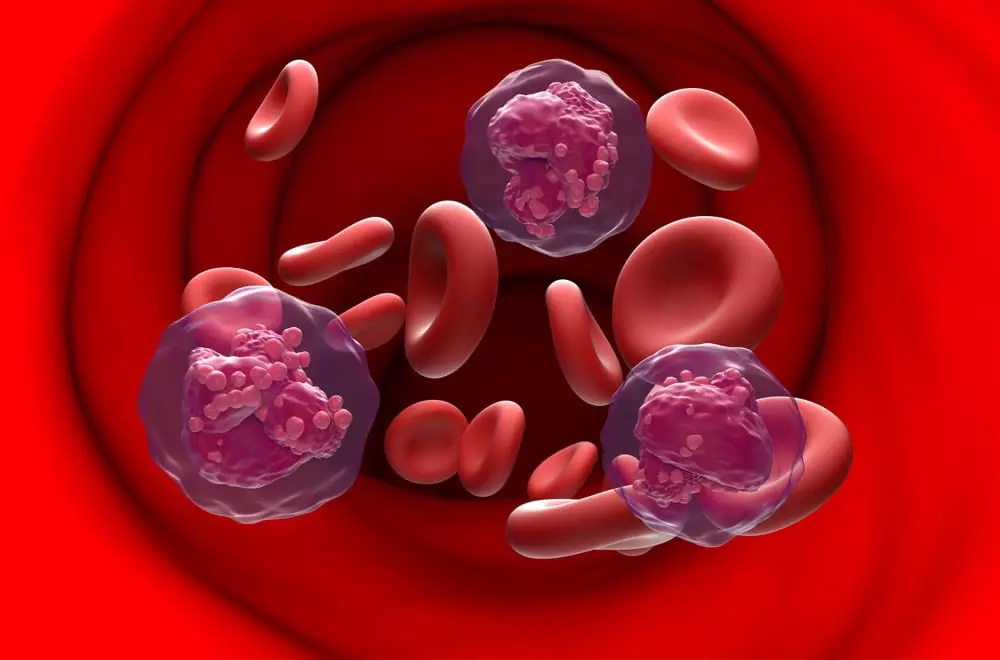
Acute myeloid leukemia (AML) remains a clinically challenging hematologic malignancy. Advances in molecular profiling have transformed AML management, shifting from a standard chemotherapy-based approach toward precision medicine. Mutations in Feline McDonough Sarcoma (FMS)-like tyrosine kinase 3 (FLT3)—particularly FLT3 internal tandem duplication (FLT3-ITD)—are among the most significant genetic alterations in AML. Patients with FLT3-ITD–positive AML face a heightened risk of relapse and historically poorer survival outcomes, underscoring the importance of targeted treatment strategies.
The integration of FLT3 inhibitors into frontline treatment strategies has reshaped the therapeutic landscape for FLT3-ITD–positive AML. Quizartinib is a highly selective, potent, type II FLT3 inhibitor that targets FLT3-ITD mutations, leading to inhibition of aberrant FLT3 signaling and suppression of leukemic cell proliferation. Clinical evidence supporting its use has expanded considerably, most notably through the QuANTUM-First trial, which evaluated quizartinib in combination with standard induction and consolidation chemotherapy followed by maintenance therapy in newly diagnosed FLT3-ITD–positive AML. The trial demonstrated a meaningful improvement in overall survival and extended duration of remission, reinforcing the value of incorporating targeted therapy into standard treatment regimens.
Beyond efficacy, optimizing patient outcomes requires careful attention to safety and practical implementation. Quizartinib is generally well tolerated; however, clinicians must monitor for treatment-emergent adverse events—such as QT interval prolongation, cytopenias, and infections—to ensure safe and sustained therapy. These events can be effectively managed through cardiac monitoring, dose adjustments, and supportive care.
This course features an expert interview with Professor Anskar Leung Yu-hung, a hematologist-oncologist who has published extensively on the pathogenesis and clinical management of AML. He discusses targeted therapy in newly diagnosed FLT3-ITD–positive AML, including clinical evidence from the QuANTUM-First trial. Learners will gain practical guidance on quizartinib use, safety considerations, and strategies to optimize patient outcomes, providing actionable insights to support evidence-based decision-making in real-world AML care.
Learning outcomes
Upon completion of this CME activity, participants should be able to:
- Describe the epidemiology and prognostic impact of acute myeloid leukemia (AML), including the clinical significance of FMS-like tyrosine kinase 3 (FLT3)–internal tandem duplication (ITD) mutations.
- Explain the mechanism of action of quizartinib and summarize the key findings from the QuANTUM-First trial.
- Evaluate the safety profile of quizartinib and discuss considerations for its use in patients with FLT3-ITD–positive AML.
- Understand the future directions in targeted therapy for AML.
Topics covered
- AML Unveiled: From Incidence to Prognostic Impact
- Quizartinib and Its Clinical Evidence
- Safety Considerations and Future Directions
- Conclusion and Key Takeaways
Expert Interview with:

Prof. Anskar Leung Yu-hung
Professor, Chair of Haematology
Li Shu Fan Medical Foundation Professor
of Haematology
Co-Director, Haematology and
Haematological Oncology Centre,
Gleneagles Hospital, Hong Kong
Deputy Chairperson, Department of
Medicine, Li Ka Shing (LKS) Faculty of
Medicine, University of Hong Kong (HKU)
1 CME Point Available
- This journal is accredited for 1 CME Point for medical practitioners enrolled in The Medical Council of Hong Kong’s Continuing Medical Education Programme for Practising Doctors who are not taking CME for Specialists.
- This journal is accredited for both Hong Kong Doctors Union (HKDU) members and non-members.
- Valid from 21 May 2026 to 21 May 2027.
- This journal is accredited for 1 CME point for fellows of the Hong Kong College of Physicians, The Hong Kong College of Pathologists, and the Hong Kong College of Community Medicine.
- Valid from 17 June 2026 to 17 June 2027.
- Please note that this module will not earn CME credit for fellows of colleges not listed here.
- A certificate can be downloaded upon successful completion of the quiz. Please use the information on the certificate to claim your CME point.
This CME module is co-organized by the Hong Kong Doctors Union (HKDU)