


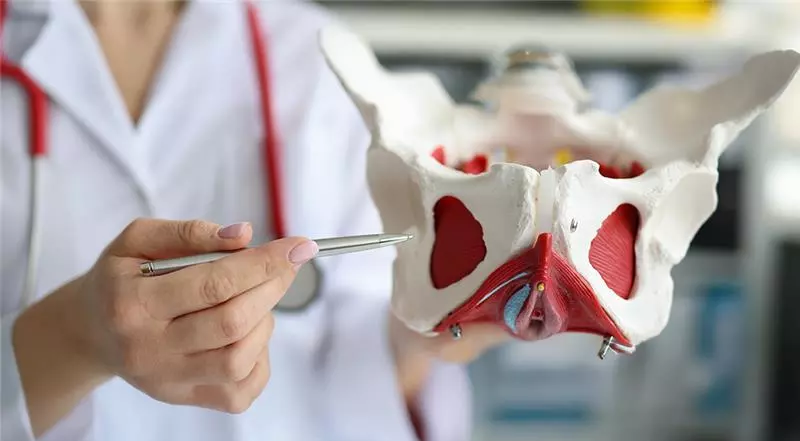
Pops and Plops: Assessment and Management of Pelvic Organ Prolapse (POP) in Primary Care
 No CME/CPD credits |
  1 Hour |
  27 Jun 2026
Overview
About this course
Pelvic organ prolapse (POP) is a prevalent and often underreported condition that affects many women, particularly those who have had multiple vaginal deliveries, are postmenopausal, or have a history of chronic intra-abdominal pressure. It occurs when pelvic organs, such as the bladder, uterus, or rectum, descend due to weakened pelvic floor support or pelvic floor dysfunction. The prevalence of POP increases with age, with up to 50% of parous women experiencing some degree of prolapse, though only a fraction seek medical attention. While POP is not life-threatening, it can cause discomfort, urinary and bowel dysfunction, and sexual dysfunction, leading to emotional distress and decreased daily function. Despite being highly treatable, many women hesitate to discuss their symptoms due to embarrassment or lack of awareness that effective treatment options exist.
Primary care providers (PCPs) are often the first point of contact for women experiencing pelvic floor dysfunction. Their role in early recognition, pelvic organ prolapse assessment, patient education, and conservative management is critical in preventing progression and improving patient outcomes. A thorough patient history, physical examination, and appropriate use of conservative treatments can significantly reduce or resolve symptoms. PCPs are in an ideal position to provide holistic care, including lifestyle counseling, pelvic floor muscle training (PFMT), and, when necessary, appropriate referrals for specialized care. An individualized, patient-centered approach is essential to effective pelvic organ prolapse management and improving long-term outcomes.
This lecture aims to equip primary care providers with the knowledge and skills to assess, diagnose, and manage pelvic organ prolapse effectively, ensuring that affected women receive timely and appropriate interventions to enhance their overall well-being.
Learning outcomes
By the end of the lecture, participants will be able to:
- Review normal pelvic anatomy and physiology.
- Define pelvic organ prolapse (POP) and identify its risk factors.
- Classify the different types of pelvic organ prolapse.
- Recognize the clinical signs and symptoms associated with POP.
- Conduct appropriate and thorough initial evaluation of a patient presenting with POP in the primary care setting.
- Understand the staging system used for assessment of POP.
- Perform ancillary testing and appropriate referral when warranted.
- Discuss both non-surgical and surgical management options.
Topic covered:
-
I. Introduction to Pelvic Organ Prolapse (POP)
- Normal pelvic floor anatomy and physiology
- Definition of POP
- Risk Factors
- Symptoms
- Physical examination
- Non-surgical
- Surgical
IV. Ancillary Testing
V. Management
This module is created in collaboration with:

Dr. Maherah Binti Kamarudin
Lecturer & Consultant Obstetrician & Gynaecologist, Urogynaecologist
Department of Obstetrics & Gynaecology
Faculty of Medicine
Universiti Malaya
University Malaya Medical Centre