


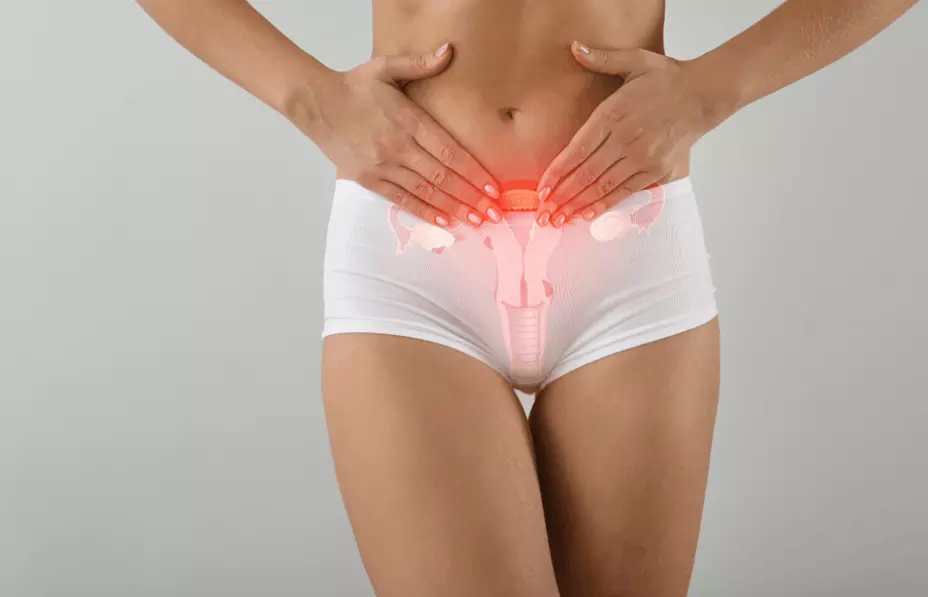
Inside Out: Early Diagnosis and Management of Endometriosis
 No CME/CPD credits |
  1 hour |
  24 Mar 2027
Overview
About
Endometriosis is a chronic gynecological condition characterized by the presence of endometrial-like tissue
outside the uterine cavity. It affects millions of women worldwide, often leading to pelvic pain, dysmenorrhea,
and infertility. For primary care physicians, early endometriosis diagnosis is essential, as delayed diagnosis can
significantly impact quality of life and reproductive health.
The diagnosis of endometriosis remains challenging due to its variable and overlapping symptoms with other pelvic
disorders. Common complaints include chronic pelvic pain, painful menstruation, dyspareunia, and in some cases,
bowel or bladder symptoms. While definitive diagnosis often requires laparoscopy, primary care physicians play a
key role in the initial evaluation by considering causes of endometriosis, recognizing risk factors, and
identifying red-flag features that warrant referral.
Effective endometriosis treatment involves a combination of medical and supportive strategies tailored to patient
needs. Hormonal therapies, such as oral contraceptives, progestins, or gonadotropin-releasing hormone (GnRH)
analogs, are commonly used for symptom control, while nonsteroidal anti-inflammatory drugs (NSAIDs) are helpful
for pain relief. Primary care providers should also consider endometriosis pain management strategies, which may
include lifestyle modifications and multidisciplinary support to address the broader impact of the disease.
For patients with severe or refractory disease, surgical options such as laparoscopic excision or ablation may be
necessary. Fertility concerns are common, as endometriosis is a leading cause of infertility in women. Physicians
should be aware of the implications of endometriosis and infertility, ensuring timely referral to specialists when
assisted reproductive technologies may be required. Understanding both surgical and non-surgical approaches helps
guide patients in making informed decisions.
This lecture will help strengthen the ability of primary care physicians to recognize, evaluate, and manage
endometriosis effectively. By improving awareness of symptoms, applying evidence-based endometriosis treatment
strategies, and knowing when to refer for advanced care, clinicians can contribute to better outcomes and enhanced
quality of life.
Learning outcomes
Upon completion of this module, participants will be able to:
- Recognize the common and atypical clinical presentations of endometriosis in women presenting in the primary care setting.
- Diagnose endometriosis through detailed history-taking, physical examination, and appropriate use of first-line investigations.
- Initiate empirical medical management of suspected endometriosis in primary care, including the use of hormonal therapies and analgesics.
- Perform timely and appropriate referrals to gynecology when indicated.
Topics covered
- Introduction
- Definition
- Types
- Etiology
- Global burden of disease
- Diagnostic challenges and the role of the primary care physician (PCP)
- Diagnostic Approach in Primary Care
- History
- Physical examination
- Imaging
- Differential diagnoses
- Management
- Approach to management
- Hormonal therapy
- Surgical treatment
- Management of infertility
- Indications for Referral
Speaker for this module:

Dr Rayzelle Anne G. Caballero, MD, FPOGS
Fellow, Philippine Obstetrical and Gynecological Society
Specialist in Obstetrics and Gynecology
Keywords: endometriosis, endometriosis diagnosis, endometriosis treatment, endometriosis and infertility