


RSV 101: Understanding the Respiratory Syncytial Virus and Its Prevention and Management
 No CME/CPD credits |
  1 Hour |
  17 Mar 2026
Overview
About
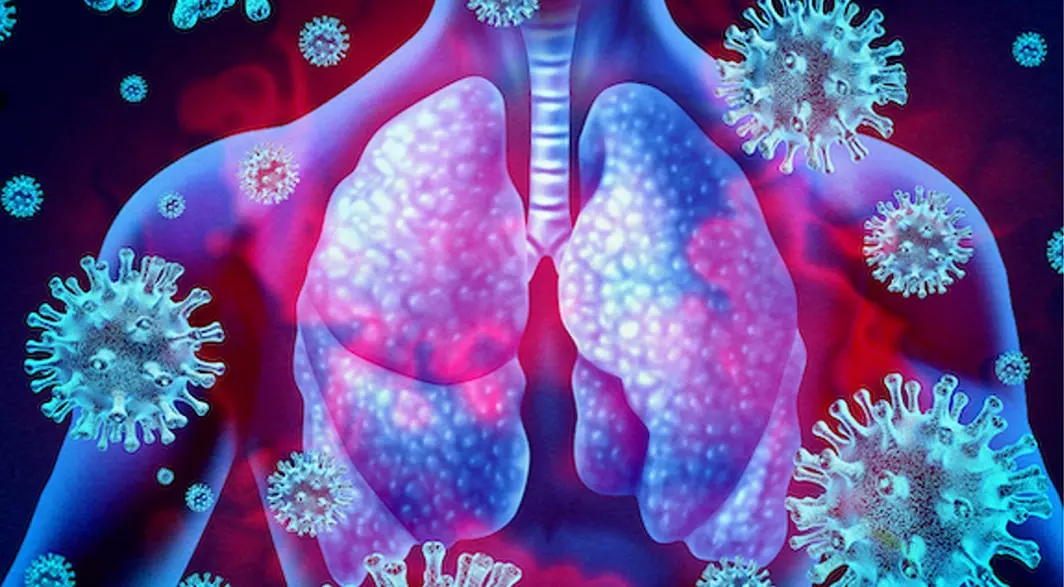
Respiratory syncytial virus is one of the most common pathogens of viral respiratory tract infections worldwide. Traditionally believed to be an illness only affecting infants and young children, RSV in adults may also occur and cause life-threatening complications. It is highly contagious and typically causes initial symptoms similar to the common cold, such as nasal congestion and low-grade fever. However, in vulnerable populations—especially infants, premature babies, elderly individuals, and those with weakened immune systems— it can lead to more serious respiratory illnesses, such as bronchiolitis and pneumonia.
RSV has distinct seasonal patterns in most areas globally. Understanding its regional seasonality will help guide the timing of immunoprophylaxis and vaccination as these provide protection for approximately 6 months only. RSV transmission is mainly through large respiratory droplets and fomites. While there is no specific antiviral treatment for RSV, supportive care can help manage symptoms. RSV prevention is accomplished through measures like good hygiene and, in certain cases, immunoprophylaxis can help reduce risk. Vaccines and monoclonal antibodies have also been developed to protect high-risk populations, providing hope for reducing the virus's severe impacts.
This e-learning module serves as a comprehensive guide for the diagnosis, management, and prevention updates of RSV in children and adults in primary care.
Learning outcomes
At the end of this learning module, participants should be able to:
- Recognize the global burden of Respiratory Syncytial Virus (RSV) infection in both pediatric and adult population.
- Identify the risk factors that influence its pathogenesis.
- Understand RSV seasonality, transmission and pathogenesis.
- Diagnose a patient with RSV infection based on clinical presentation and diagnostic tests.
- Manage and prevent RSV infection timely and appropriately.
Topics covered:
- Global burden of Respiratory Syncytial Virus (RSV) infection
- Children
- Older Adults
- Overview of RSV
- Risk factors
- Seasonality
- Transmission
- Pathogenesis
- Clinical presentation
- Diagnosis of RSV infection
- Management of RSV infection
- RSV prevention
- Immunoprophylaxis
- Vaccines
This module is brought to you in collaboration with:

Dr Stephannie Angel M. Ricafrente
MD, FPCP, DPSMID
Infectious Disease Specialist
Keywords: rsv, respiratory syncytial virus, rsv in infants, rsv in adults, rsv transmission, rsv diagnosis, rsv prevention, rsv management